

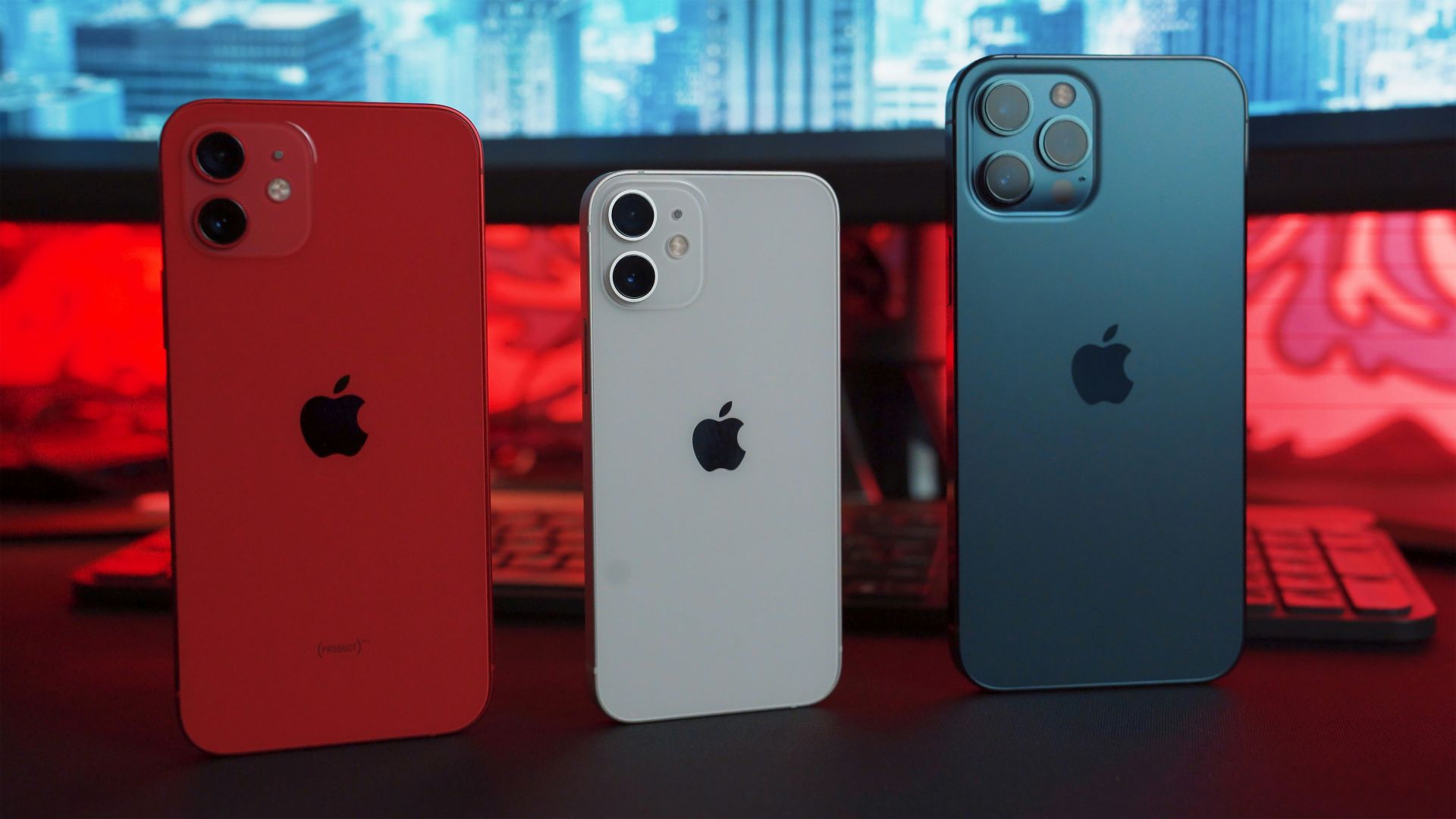
The recently uncovered iPhone threat affecting up to 270m Apple devices highlights why mobile device management, endpoint security, and wider cyber resilience should now be a board-level priority for businesses. The iOS exploit chain, which infiltrated outdated software on devices, can steal users’ messages, passwords, photos and account access if the device hasn’t been updated with Apple’s latest security fixes.
Mobile devices are central to the way businesses operate. From providing your team access to email, collaboration tools and customer information to financial platforms and business-critical systems from almost anywhere in the world. The flexibility they bring to the modern workforce boosts productivity and offers greater flexibility than ever before, but it also represents a threat to your business security and calls for measures that extend your protocols far beyond the office.
Identified in research published by Google Threat Intelligence Group in coordination with Lookout and iVerify, DarkSword is an iOS exploit chain used by multiple threat actors. Rather than relying on a malicious app, researchers observed it being delivered through compromised legitimate websites in watering-hole campaigns, allowing a vulnerable, out-of-date iPhone to be compromised when a user visited the site. Apple has since issued the relevant security updates and has stated that devices running on current supported software were already protected.
Far from a routine malware threat, DarkSword is a reminder that the mobile security landscape is changing rapidly. Attackers are no longer relying only on unsafe apps or basic phishing attempts. They are increasingly using advanced methods that can compromise devices, extract sensitive information and disappear again in a short space of time.
Why DarkSword matters to business leaders
According to Kamran Bahdur, Chief Information Officer at FLR Spectron, “What this highlights for businesses is that mobile risk is now an access and resilience issue, not just a handset issue. A smartphone may hold access to email, collaboration platforms, saved credentials, MFA prompts and cloud services. Once that device is compromised, the issue can move quickly into wider business systems. The practical response is disciplined mobile security, including patching, device compliance, access controls, monitoring, and a clear incident response path if a device is suspected to be compromised.”
For the modern workforce, mobile devices effectively hold the keys to a business. A compromised smartphone can expose company email, saved passwords, confidential business conversations, sensitive files, location data and even access to cloud platforms. For senior staff, it may also provide a route into strategic information, financial systems or sensitive customer data. The result of which means that even a single mobile compromise can quickly become an operational, financial and reputational issue.
DarkSword is especially concerning because it reflects a broader trend. It demonstrates that sophisticated mobile hacking tools are no longer limited to one type of attacker. What was once seen mainly as a government-level threat is now becoming a wider risk for businesses and organisations.
A new era of mobile cyber threats
One of the most significant aspects of DarkSword is the way it was reportedly delivered. Rather than relying on an obviously malicious app, the attack leverages legitimate websites which have been compromised, making it harder for users to perceive the threat and more challenging for businesses to rely on awareness training alone.
It highlights why endpoint security and mobile device management need to be part of a wider cybersecurity strategy. Businesses need stronger visibility over devices, better control over updates, and faster ways to detect suspicious behaviour before damage is done.
This approach is a key shift which demonstrates how traditional security advice, often focused on telling users what not to click, is no longer sufficient to protect them from threats.
What businesses should do now
DarkSword is a strong reminder that mobile security should be treated as a business resilience issue, rather than just a technical one.
That begins with making sure devices are updated quickly and consistently. Delays in patching create an opportunity for attackers, especially when threats are designed to move fast.
It also means improving visibility across organisations’ device estates so that businesses have clear visibility as to which devices can access company data, whether they are compliant, and where risks exist.
Most importantly, businesses need layered protection that reduces exposure and supports continuity when new threats emerge. That includes 24/7 monitoring, threat detection and incident response, endpoint protection, and policies that protect access to business systems in the event a device is compromised.
Why mobile security should be part of your cybersecurity strategy
DarkSword is more than a headline threat. It is a warning sign of the changing cybersecurity landscape that businesses now need to consider. Mobile devices are now part of the core infrastructure of modern organisations, and must be protected as such, protected with the same degree of seriousness as laptops, servers and cloud platforms.
That is why disaster recovery and business continuity must sit alongside prevention. When threats move quickly, organisations need to be agile, ready not only to detect and respond but also to recover with minimal disruption.
At FLR Spectron, we help organisations strengthen cyber security with practical, business-focused protection that supports operations without adding unnecessary complexity. From managed cybersecurity and mobile device management to endpoint protection, 24/7 monitoring and business continuity planning, the goal is simple: keep your business secure, resilient and ready for what comes next.